Keep Williamson County's Character & Culture Alive! Donate Today →

Sites to Save

Every weathered stone wall, every overgrown family cemetery, every aging farmhouse holds a thread of Williamson County's story. But these places are fragile — threatened by development, neglect, and the simple passage of time. Each year, the Heritage Foundation of Williamson County shines a light on the sites most in need of our attention, our advocacy, and our action.

The 2026 Sites to Save are a call to the community: these are our landmarks, our legacies, and our responsibility. Learn about each site below — and discover how you can help preserve the irreplaceable.

Discover Our 2026 Sites to Save Below ↓

Williamson County Cemeteries

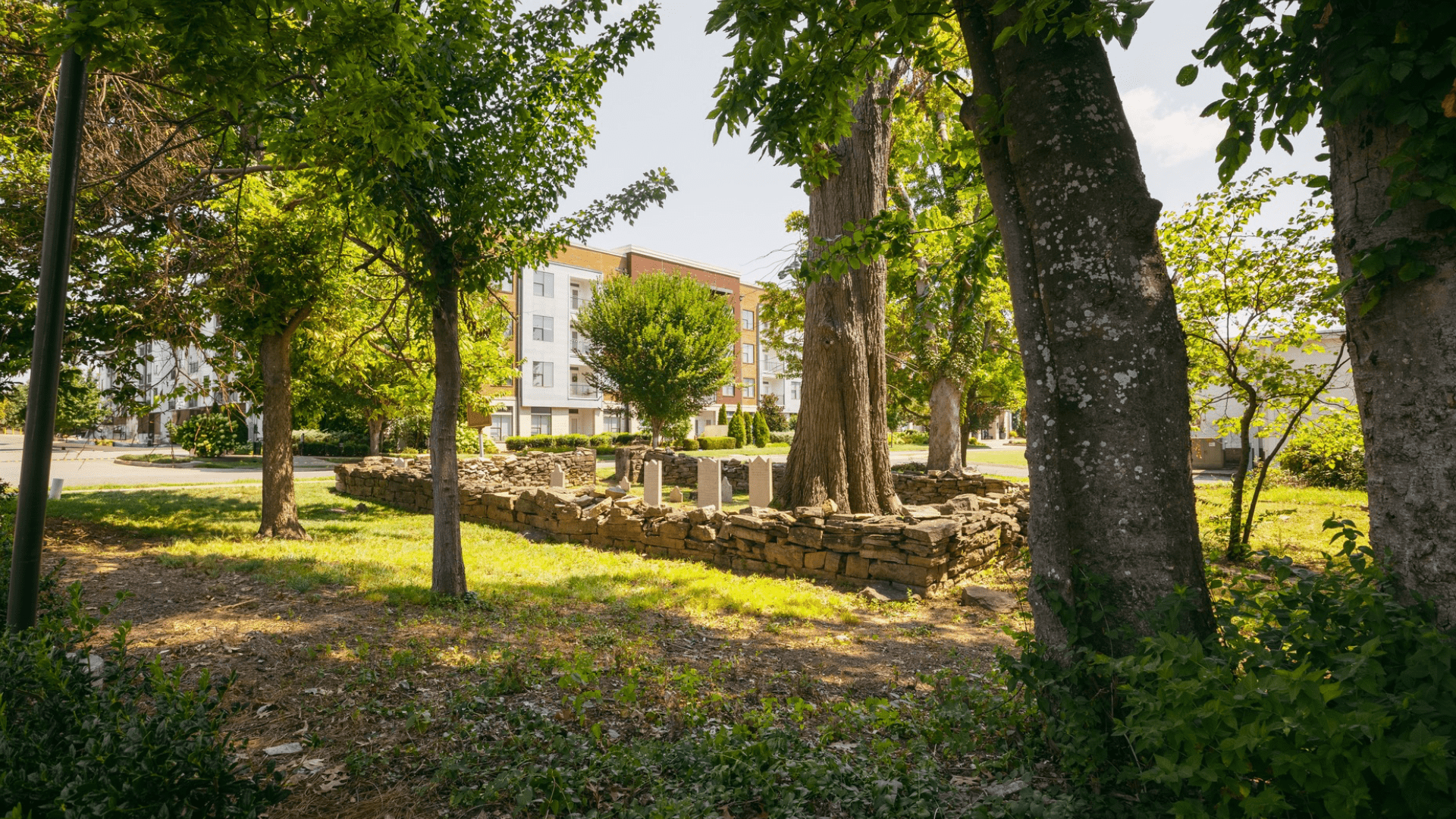
Cemeteries are sacred spaces that connect our past with our present, yet many of Williamson County's historic burial grounds remain hidden in plain sight or threatened by rapid development. These cultural landscapes hold intimate family stories—including those of historically marginalized communities—that are absolutely vital to an authentic understanding of our collective history. By raising awareness and actively advocating for their protection, we can reclaim these endangered spaces and preserve the voices of all who helped shape our local communities.
Williamson County Dry Stack Stone Walls

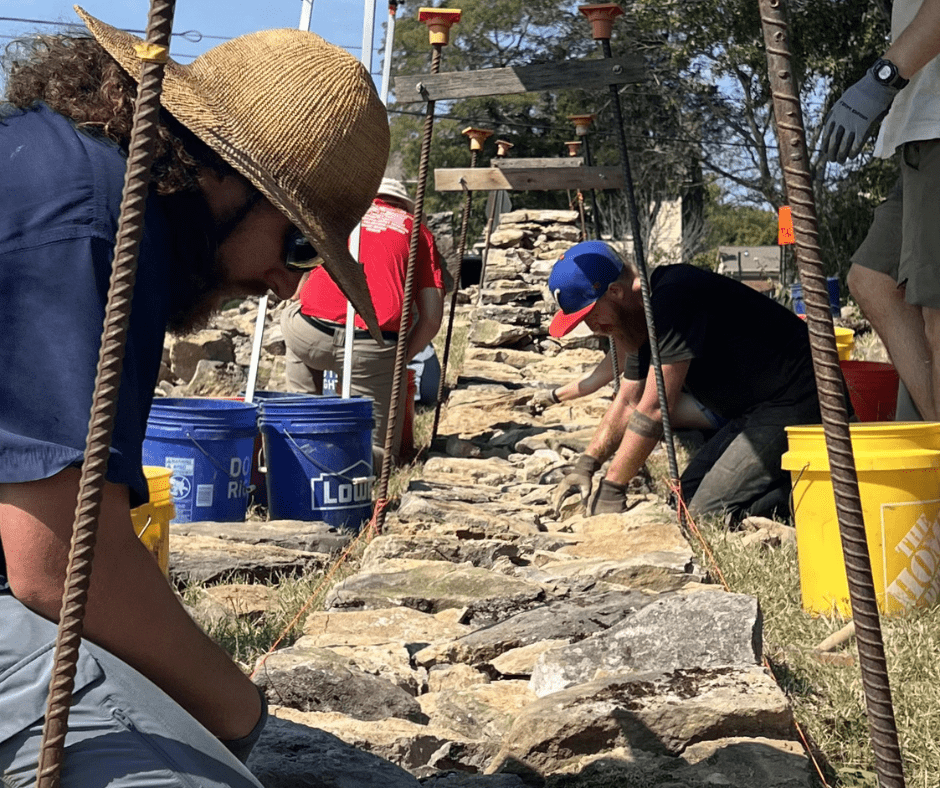
For nearly two centuries, dry stacked stone walls have served as a defining feature of Williamson County's landscape, originally built and maintained by skilled Irish, Scots, and enslaved stone masons. Constructed using specialized mortarless methods that rely entirely on perfect balance, these historic landmarks are increasingly being lost to development, road widening, and neglect. Because these cultural gems are not protected by countywide historic preservation ordinances, raising awareness about their deep historical significance is critical to saving them from disappearing entirely.
Daniel McMahon House

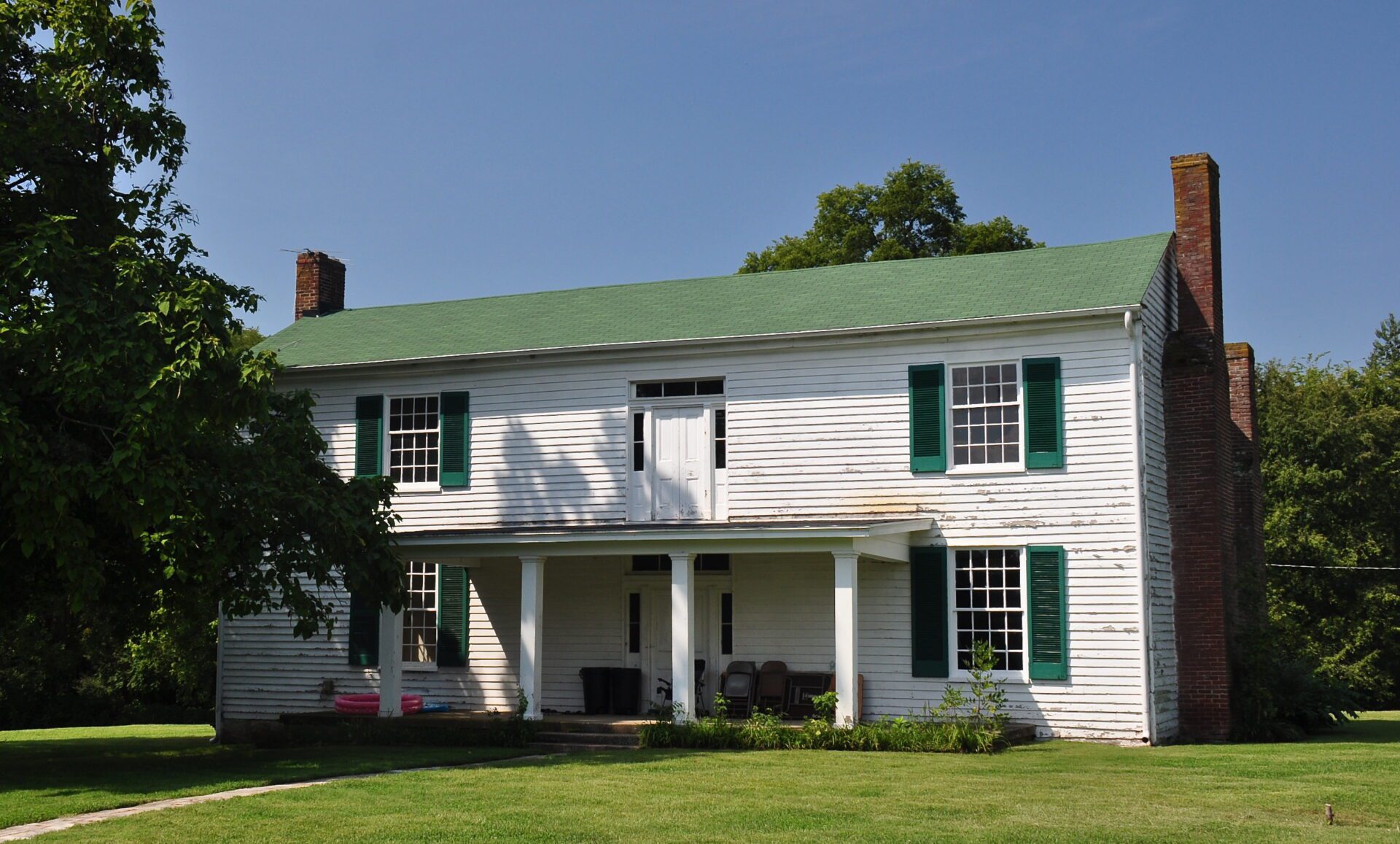
Dating back to an original c.1800 log structure built by a Revolutionary War veteran, the Daniel McMahon House stands as a remarkable, multilayered piece of our nation's history. Now listed on the National Register of Historic Places, this unique home and its surviving c.1900 smokehouse tell a multigenerational story of early settlement, agricultural life, and pre-Civil War expansion. Currently situated on property owned by the Franklin First United Methodist Church, the historic residence faces significant environmental and preservation challenges, sparking an urgent call to evaluate and secure its long-term rehabilitation.
Allison Chapel School and Cemetery Site

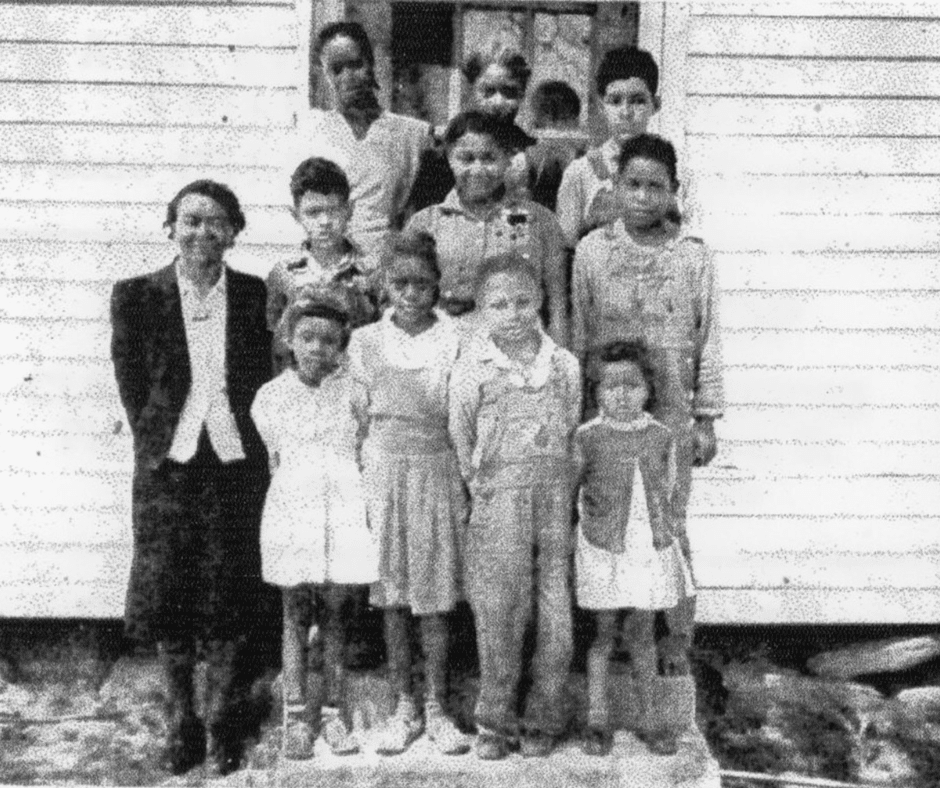
Established in College Grove following the Civil War, the late-1860s Allison Chapel AME Church and School served as a vital anchor for a newly freed African American community. Today, the visible ruins of the schoolhouse stand alongside one of the few remaining historic Black cemeteries in Williamson County—a sacred burial space fiercely defended by local descendants. Though the community recently rallied to block an encroaching subdivision development, the site remains a critical symbol of historic preservation in the face of ongoing regional growth.
Historic Hardeman Crossroads, Triune

Once the wealthiest region in Williamson County, Triune has lost more of its historic landmarks to time than almost any other local community. As a critical early crossroads deeply rooted in agricultural, African American, and Civil War history—including exceptionally preserved National Register earthworks—the area is uniquely valuable but highly vulnerable. With two massive, newly revised mixed-use developments now clearing land, local advocates face a critical turning point as they fight to protect Triune's remaining undocumented cultural resources, wetlands, and rural character from being altered forever.
Discover Our 2026 Sites to Watch Below ↓

Riverview Bethurum Property

WHY:

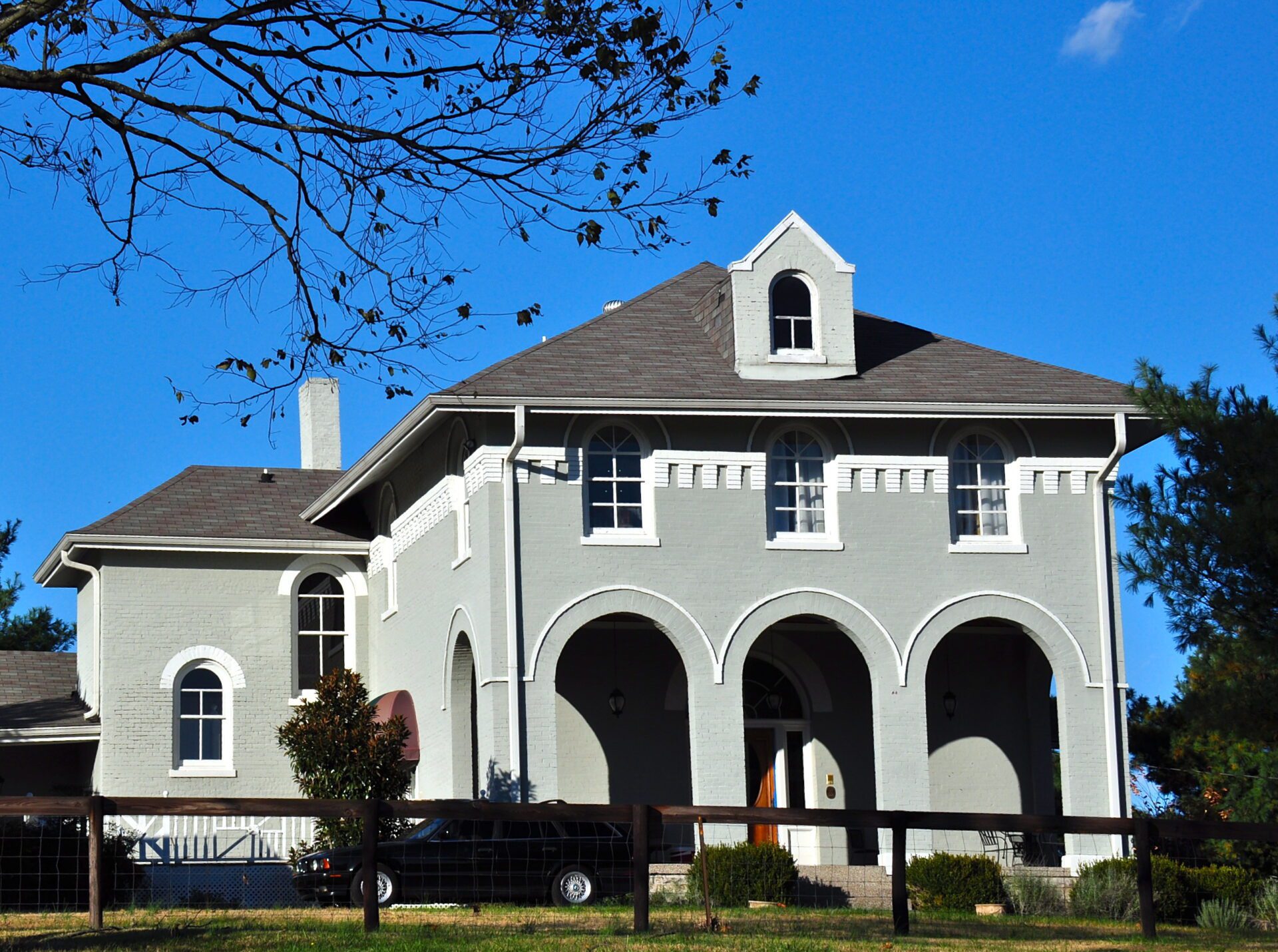
  • Riverview, also known as the Henry Hunter Mayberry House, was originally constructed in c1902, brilliantly encapsulating the Neo-Classical design popularized between c1900-1920, adapting Greek and Roman styles as a modern American movement for constructing public buildings and private homes. This style typically features elements of classical symmetry, full-height porches with columns and a temple-like front, with various classical ornamentation such as dentil cornices and ornate columns, similarly to the Greek Revival style that once dominated the first half of the 19th century.

    Though Henry Hunter Mayberry was the son of G.W. H. Mayberry of Beechwood Hall and one of the wealthiest families in Williamson County prior to the Civil War, Henry made his fortune in the Alabama coal and steel industries, creating a solid reputation for himself as a businessman and innovator. Serving as the President of the Franklin Interurban Railway, Mayberry commissioned the construction of Riverview as a surprise for his wife. Building upon the existing two-story structure that already stood on the property, this section of the home became the current-day library and primary suite. As a close friend of George Vanderbilt, owner and visionary of Biltmore Estate in Asheville, North Carolina, Mayberry perhaps drew his own inspiration for Riverview from Biltmore. Formally situated on twenty-eight acres, Mayberry’s home was the first house in Franklin – and quite possibly the County- to have interior running water, complete with an indoor one-lane bowling alley and a tennis court.

    Since its inception, Riverview has only seen four families inhabit its doors, with Mayberry descendants selling the home in c1942. Since then, the Harlin, Lancaster, and Bethurum families called Riverview home. With a series of more modern upgrades completed by c1940, including the sunroom, a 200-year-old cabin relocated from Kentucky to the property, along with a ten-stall barn that was assembled onsite. By 1977, Williamson Medical Center’s Chief of Surgery and former Franklin mayor Dr. Jeff Bethurum and his wife Amy purchased the home on its now fifteen-acre site. Because of Jeff and Amy’s dedication to Riverview’s preservation while making their own modifications, nearly almost all the original c1902 designs remain intact. Listed on the National Register of Historic Places, the 83,000 square-foot property also includes a barn, smokehouse, and a collapsed springhouse.

    Riverview, located directly on Franklin Road just north of the Harpeth River and historic downtown, went on the real estate market in 2025. Since that time, a development plan was formally presented to the Board of Mayor and Aldermen for the City of Franklin, outlining the construction of seven new buildings on the property, including a day spa, a restaurant, a parking garage, and a 120-room hotel sparked significant citizen outcry against the proposed development on the historic property. On April 15, 2026, a neighborhood meeting was held at Battle Ground Academy, residents spoke out regarding concerns over noise, traffic congestion, and the over-commercialization of a primarily residential area north of the Harpeth River. City leaders also expressed that a large hotel does not fit within Envision Franklin’s plan for this area, citing adaptive reuse as a more favorable historic approach over a new large-scale development. The proposed development will require a zoning amendment, which currently faces significant hurdles through the city’s Franklin Municipal Planning Commission. As this potential project moves forward, this historic site will be watched closely and advocated for the best solution-based approach for preserving Riverview in the present and future.

Williams-Fitzhugh Gooch Home

WHY:

  • Located in Nolensville this home pre-dates the Civil War with connections to the founder of Nolensville. Despite being within the boundaries of the Historic Home District the property has come under threat twice within the past six months for demolition.

Fitzburg-Dotson-Dodson Home

WHY:

  • Located in West Harpeth the John Neely House was built around 1810 using bricks crafted from the Neely’s enslaved population. The home has been altered through the years, but it maintains the original rare hall-parlor floor plan and has been on the National Register of Historic Places since 1988.

Beechwood Hall

WHY:

  • Located in Leiper’s Fork, Beechwood Hall has been an ongoing effort in Williamson County preservation. It’s architecture and connections to musicians such as Hank Williams are only part of its legacy. Though it has failed into disrepair, the property has stabilized under the current owner. The long-term fate is unknown if ownership changes hands.

Hiram Lodge #7 Franklin Masonic Hall

WHY:

  • A staple building in the heart of downtown Franklin the Masonic Hall is the oldest three-story building in Franklin and is the earliest significant Gothic Revival building in Tennessee. It is the oldest continually operating Masonic fraternity in the state. The Masonic fraternity known as Hiram Lodge No. 7 of Free and Accepted Masons was charted in 1809.

Historic Grocery/General Stores (Beard’s Grocery and Overby’s General Store)

WHY:

  • Local general and grocery stores used to be the heart of Williamson County communities, contributing as voting offices, public hearing spaces, and news sources. Now most lay abandoned and left unloved, but through preservation efforts of the local community and the Heritage Foundation these sites can be saved and potentially repurposed while still carrying their legacy.

Riverview Bethurum Property

WHY:

  • Riverview, also known as the Henry Hunter Mayberry House, was originally constructed in c1902, brilliantly encapsulating the Neo-Classical design popularized between c1900-1920, adapting Greek and Roman styles as a modern American movement for constructing public buildings and private homes. This style typically features elements of classical symmetry, full-height porches with columns and a temple-like front, with various classical ornamentation such as dentil cornices and ornate columns, similarly to the Greek Revival style that once dominated the first half of the 19th century.

    Though Henry Hunter Mayberry was the son of G.W. H. Mayberry of Beechwood Hall and one of the wealthiest families in Williamson County prior to the Civil War, Henry made his fortune in the Alabama coal and steel industries, creating a solid reputation for himself as a businessman and innovator. Serving as the President of the Franklin Interurban Railway, Mayberry commissioned the construction of Riverview as a surprise for his wife. Building upon the existing two-story structure that already stood on the property, this section of the home became the current-day library and primary suite. As a close friend of George Vanderbilt, owner and visionary of Biltmore Estate in Asheville, North Carolina, Mayberry perhaps drew his own inspiration for Riverview from Biltmore. Formally situated on twenty-eight acres, Mayberry’s home was the first house in Franklin – and quite possibly the County- to have interior running water, complete with an indoor one-lane bowling alley and a tennis court.

    Since its inception, Riverview has only seen four families inhabit its doors, with Mayberry descendants selling the home in c1942. Since then, the Harlin, Lancaster, and Bethurum families called Riverview home. With a series of more modern upgrades completed by c1940, including the sunroom, a 200-year-old cabin relocated from Kentucky to the property, along with a ten-stall barn that was assembled onsite. By 1977, Williamson Medical Center’s Chief of Surgery and former Franklin mayor Dr. Jeff Bethurum and his wife Amy purchased the home on its now fifteen-acre site. Because of Jeff and Amy’s dedication to Riverview’s preservation while making their own modifications, nearly almost all the original c1902 designs remain intact. Listed on the National Register of Historic Places, the 83,000 square-foot property also includes a barn, smokehouse, and a collapsed springhouse.

    Riverview, located directly on Franklin Road just north of the Harpeth River and historic downtown, went on the real estate market in 2025. Since that time, a development plan was formally presented to the Board of Mayor and Aldermen for the City of Franklin, outlining the construction of seven new buildings on the property, including a day spa, a restaurant, a parking garage, and a 120-room hotel sparked significant citizen outcry against the proposed development on the historic property. On April 15, 2026, a neighborhood meeting was held at Battle Ground Academy, residents spoke out regarding concerns over noise, traffic congestion, and the over-commercialization of a primarily residential area north of the Harpeth River. City leaders also expressed that a large hotel does not fit within Envision Franklin’s plan for this area, citing adaptive reuse as a more favorable historic approach over a new large-scale development. The proposed development will require a zoning amendment, which currently faces significant hurdles through the city’s Franklin Municipal Planning Commission. As this potential project moves forward, this historic site will be watched closely and advocated for the best solution-based approach for preserving Riverview in the present and future.

Williams-Fitzhugh Gooch Home

WHY:

  • Located in Nolensville this home pre-dates the Civil War with connections to the founder of Nolensville. Despite being within the boundaries of the Historic Home District the property has come under threat twice within the past six months for demolition.

Fitzburg-Dotson-Dodson Home

WHY:

  • Located in West Harpeth the John Neely House was built around 1810 using bricks crafted from the Neely’s enslaved population. The home has been altered through the years, but it maintains the original rare hall-parlor floor plan and has been on the National Register of Historic Places since 1988.

Beechwood Hall

WHY:

  • Located in Leiper’s Fork, Beechwood Hall has been an ongoing effort in Williamson County preservation. It’s architecture and connections to musicians such as Hank Williams are only part of its legacy. Though it has failed into disrepair, the property has stabilized under the current owner. The long-term fate is unknown if ownership changes hands.

Hiram Lodge #7 Franklin Masonic Hall

WHY:

  • A staple building in the heart of downtown Franklin the Masonic Hall is the oldest three-story building in Franklin and is the earliest significant Gothic Revival building in Tennessee. It is the oldest continually operating Masonic fraternity in the state. The Masonic fraternity known as Hiram Lodge No. 7 of Free and Accepted Masons was charted in 1809.

Historic Grocery/General Stores (Beard’s Grocery and Overby’s General Store)

WHY:

  • Local general and grocery stores used to be the heart of Williamson County communities, contributing as voting offices, public hearing spaces, and news sources. Now most lay abandoned and left unloved, but through preservation efforts of the local community and the Heritage Foundation these sites can be saved and potentially repurposed while still carrying their legacy.

Commitment To Advocacy

Our Commitment

For each of the sites on the list, staff at the Heritage Foundation of Williamson County plan to:

  • Attend relevant public meetings that involve the sites on the list.
  • Consult with willing property owners and municipalities about the history of the property and offer insight on preservation and restoration.
  • Connect willing property owners with construction and preservation experts related to the needs of the site.

Get Involved

The Heritage Foundation hopes the  Sites to Save  list will help make locals aware of the historic sites around them, as well as educate newcomers to the area.  To donate to the Foundation’s preservation efforts, including supporting the Sites to Save program, visit WilliamsonHeritage.org/Donate.

Our Commitment

For each of the sites on the list, staff at the Heritage Foundation of Williamson County plan to:

  • Attend relevant public meetings that involve the sites on the list.
  • Consult with willing property owners and municipalities about the history of the property and offer insight on preservation and restoration.
  • Connect willing property owners with construction and preservation experts related to the needs of the site.

Get Involved

The Heritage Foundation hopes the  Sites to Save  list will help make locals aware of the historic sites around them, as well as educate newcomers to the area.  To donate to the Foundation’s preservation efforts, including supporting the Sites to Save program, visit WilliamsonHeritage.org/Donate.